Microchanneling for Hair Regrowth
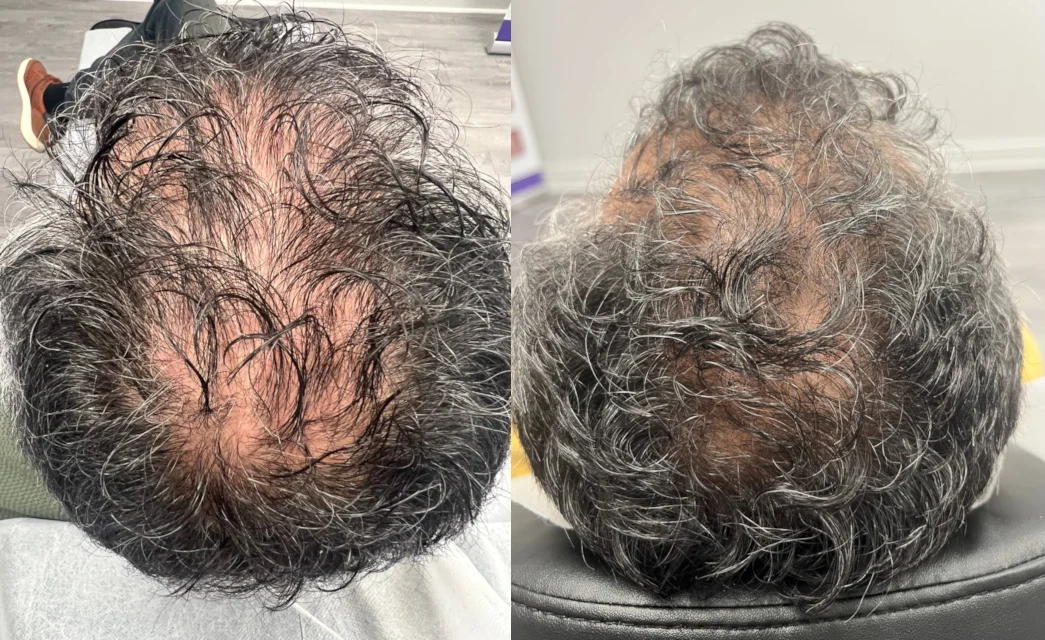
Microchanneling is a minimally invasive scalp treatment designed to support healthier-looking, fuller hair by creating thousands of precise microscopic channels in areas of thinning. These controlled micro-injuries initiate the scalp’s natural wound-healing response while creating temporary pathways that enhance the delivery of specialized growth-factor serums.
At VivaDerm, Microchanneling Hair Regrowth can be performed using the ProCell system and a professional growth-factor/cytokine serum to support the environment surrounding existing hair follicles.
How Does Microchanneling Help Hair Regrowth?
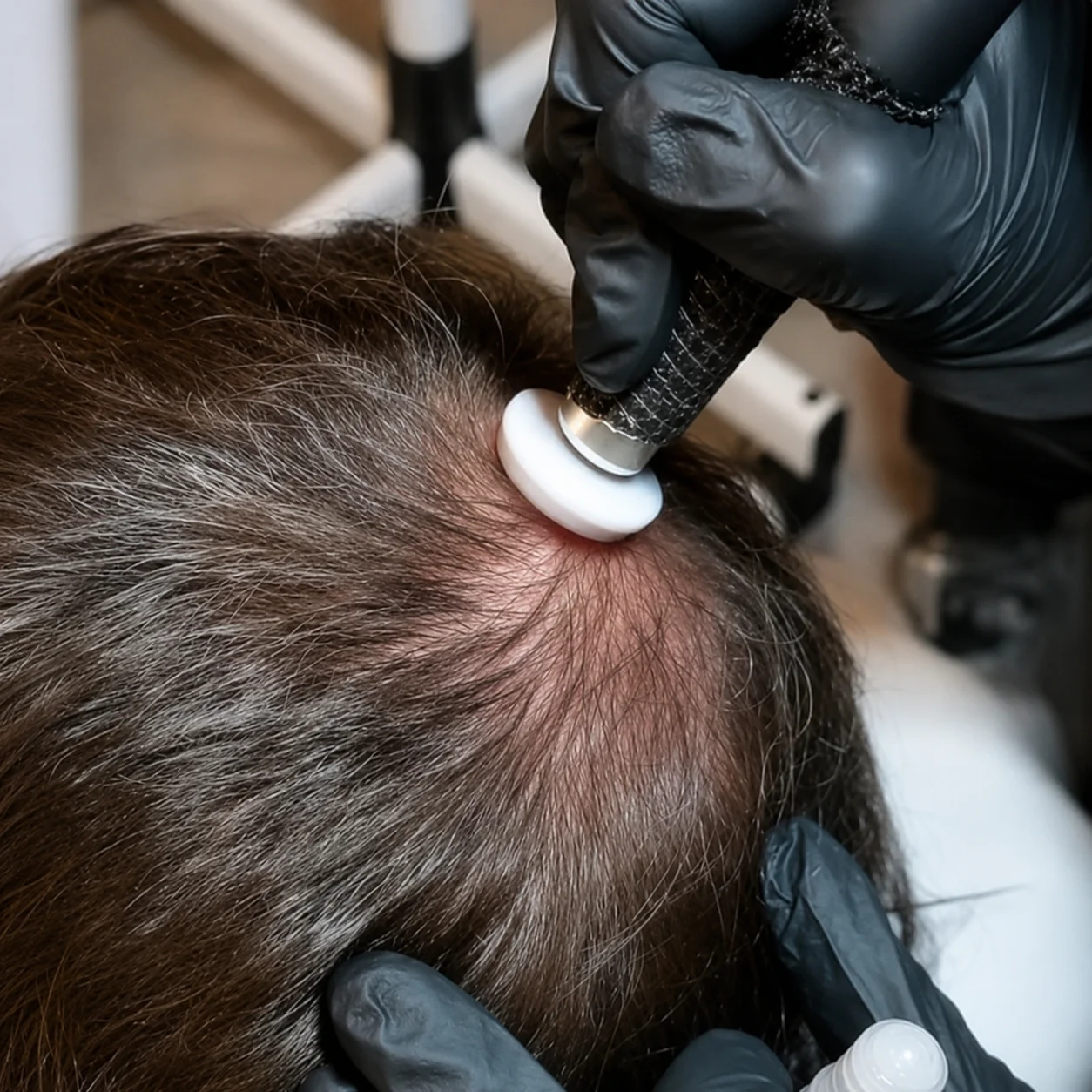
During treatment, a precision microchanneling device is stamped over targeted areas of the scalp. Unlike rolling techniques, the stamping action creates controlled vertical microchannels with minimal dragging across the skin.
The treatment is designed to support hair growth through two complementary mechanisms.
1. Natural scalp stimulation
The controlled micro-injuries activate the body’s natural healing response. This process releases signaling molecules and growth factors involved in tissue repair and regeneration. Research suggests scalp needling may help improve hair parameters and may be particularly useful as an adjunct treatment for pattern hair loss.
2. Enhanced serum delivery
The temporary microchannels allow specially formulated topical ingredients to reach the scalp more effectively than they would when simply applied to intact skin.
Together, these effects are intended to create a healthier environment around existing follicles and support thicker, stronger-looking hair.
ProCell Growth Factor Serum
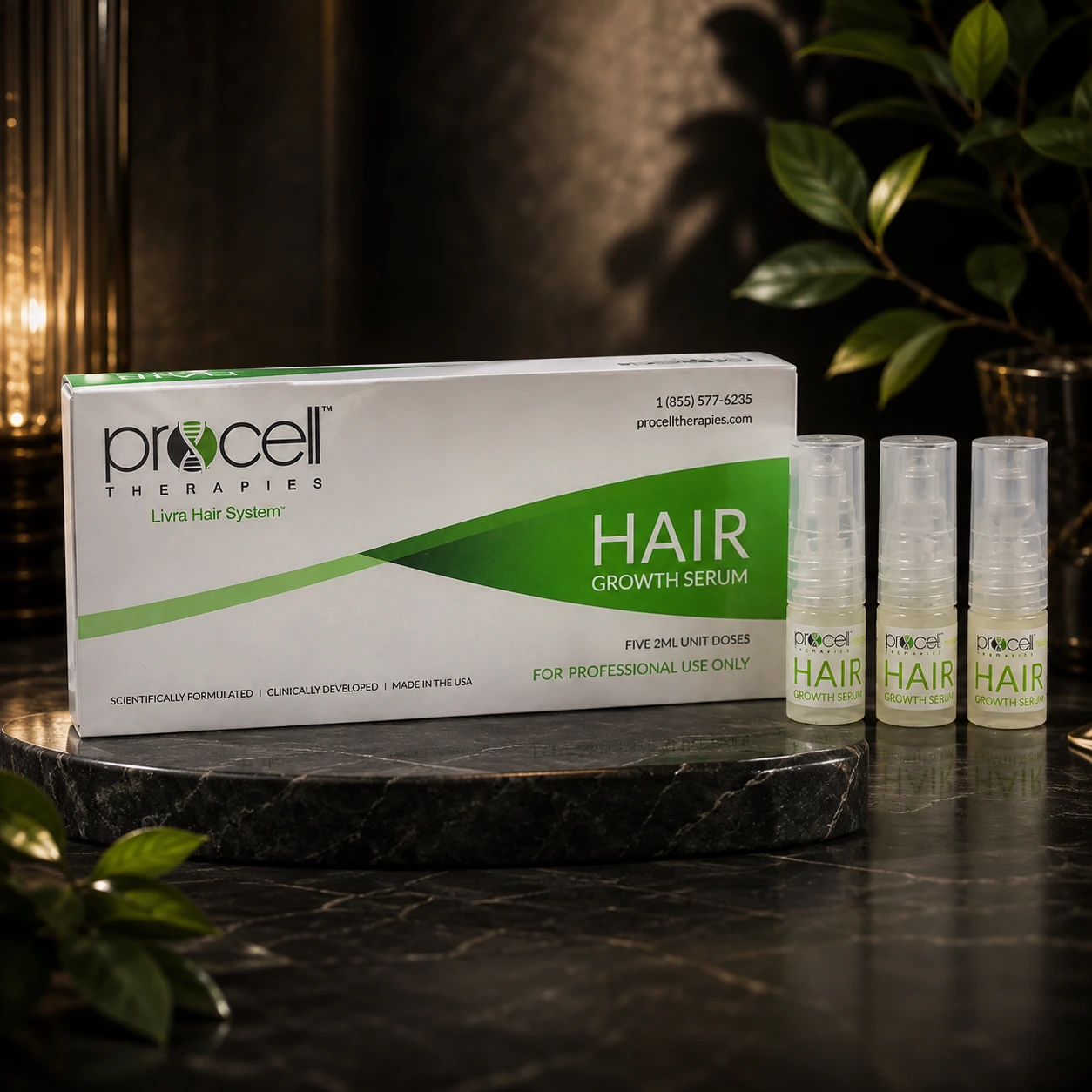
An important part of the ProCell Microchanneling protocol is the serum applied during and immediately following treatment.
ProCell’s current Microchannel Delivery Serum contains bioengineered/recombinant growth factors, cytokines and DNA-repair enzymes in a hyaluronic-acid-based formulation. According to ProCell, its current serum does not contain human, animal or plant cells, blood or human DNA.
What Are Growth Factors & Cytokines?
Growth factors and cytokines are signaling proteins involved in communication between cells. They participate in processes such as tissue repair, cellular activity and wound healing.
When used with microchanneling, the goal is to provide these signaling molecules directly to the freshly treated scalp while the temporary microchannels are present.
Key Components:
Growth Factors
Bioengineered signaling proteins designed to support cellular communication and regenerative processes.
Cytokines
Cell-signaling proteins involved in coordinating repair and inflammatory responses.
DNA Repair Enzymes
Included in ProCell’s newer-generation serum formulation as part of its regenerative skin technology.
Hyaluronic Acid
Provides hydration and helps maintain a supportive environment for the treated scalp.
Benefits of Microchanneling Hair Regrowth
Microchanneling may help:
- Support healthier hair growth
- Improve the appearance of hair density
- Encourage thicker and stronger-looking hair
- Support weakened or miniaturized follicles
- Improve overall scalp condition
- Enhance delivery of professional scalp serums
- Stimulate the scalp’s natural regenerative response
- Complement other professionally recommended hair-loss treatments
Results vary depending on the cause and severity of hair loss, age, genetics, hormonal factors and the health of existing follicles.
Who Is a Good Candidate?
Microchanneling may be considered for men and women experiencing:
- Early-stage hair thinning – particularly when follicles are still present but producing increasingly fine hairs.
- Androgenetic alopecia – commonly known as male-pattern or female-pattern hair loss. This is the area where scalp needling has some of its strongest clinical evidence.
- Reduced hair density – for clients who notice widening of the part, increased scalp visibility or progressively thinner hair.
- Weak or miniaturized hair – where the goal is to support existing follicles rather than recreate follicles that are no longer functional.
Microchanneling generally has greater potential in areas where active follicles remain. It should not be presented as a treatment capable of creating entirely new follicles in areas of permanent baldness or scarring alopecia.
Pre-Treatment Instructions
Clients should arrive with a clean scalp and inform their provider about all medications, supplements, topical hair-loss products and recent scalp treatments.
Avoid irritating or exfoliating scalp products before treatment and do not intentionally sunburn the treatment area.
If you are using prescription or over-the-counter hair-loss medication such as minoxidil, follow the instructions provided by your healthcare professional regarding when to stop and restart it around your procedure.
To help prepare the scalp for treatment, avoid shaving, waxing, or other procedures that may cause irritation or sensitivity in the treatment area immediately before your appointment. Your provider may also recommend temporarily adjusting certain topical products based on your scalp condition and treatment plan. Following these preparation guidelines helps minimize unnecessary irritation and allows the ProCell serum treatment to be performed under optimal conditions.
Post-Treatment Care
For the first 24–48 hours, treat the scalp gently.
Avoid excessive touching, scratching or rubbing of the treated area. Avoid swimming pools, hot tubs, saunas, steam rooms and strenuous exercise that causes excessive sweating until the scalp has settled.
Do not apply hair dye, chemical treatments, harsh scalp products or exfoliating products until the scalp has recovered.
Use only the recommended post-treatment products during the initial healing period.
Protect exposed areas of the scalp from excessive sun exposure.
Specific instructions regarding washing the hair and restarting minoxidil or other topical medications should be provided according to the treatment protocol and the client’s medical plan.
Contraindications
Microchanneling should generally be postponed or avoided over areas with:
- Active bacterial
- viral or fungal scalp infection
- Open wounds or significant scalp irritation
- Active inflammatory scalp conditions in the treatment area
- Poor wound healing
- Certain bleeding disorders or medications affecting clotting
- Known sensitivity to treatment ingredients
- Recent procedures that have not completely healed
Pregnancy, breastfeeding and significant medical conditions and prescription medications should be discussed during consultation to determine whether treatment is appropriate.

LaseMD Ultra Hair Regrowth with Exosomes
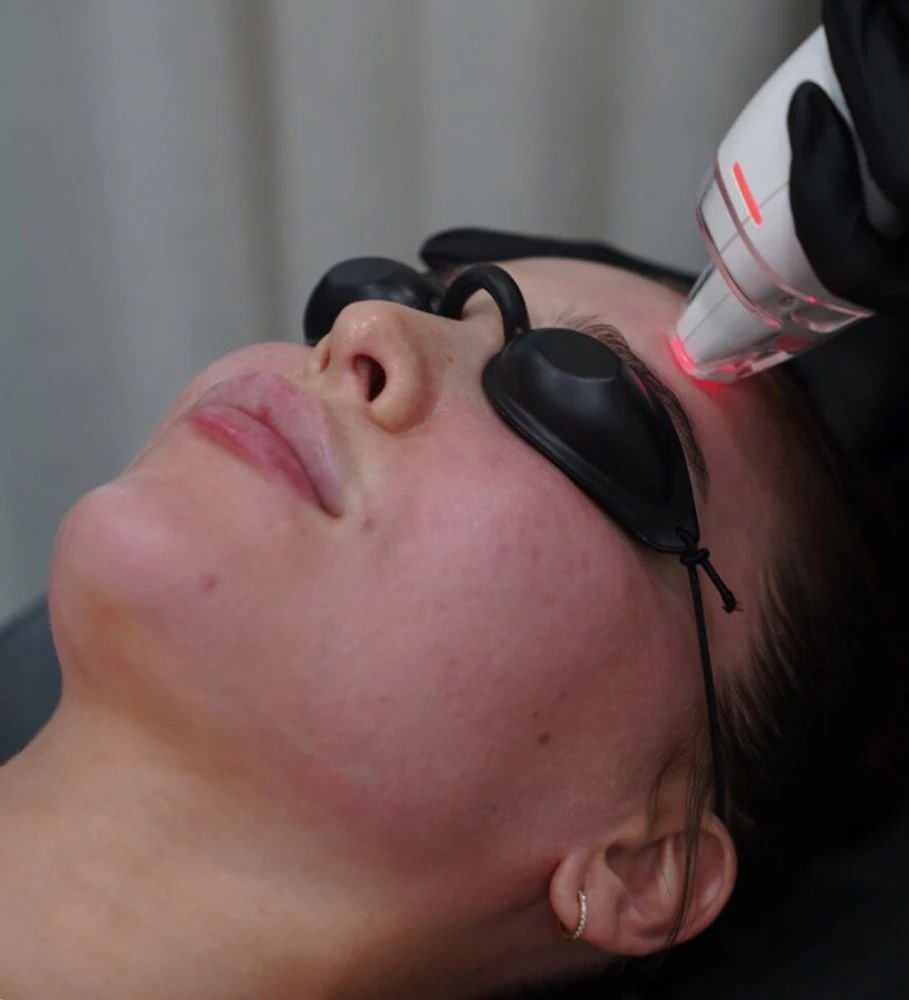
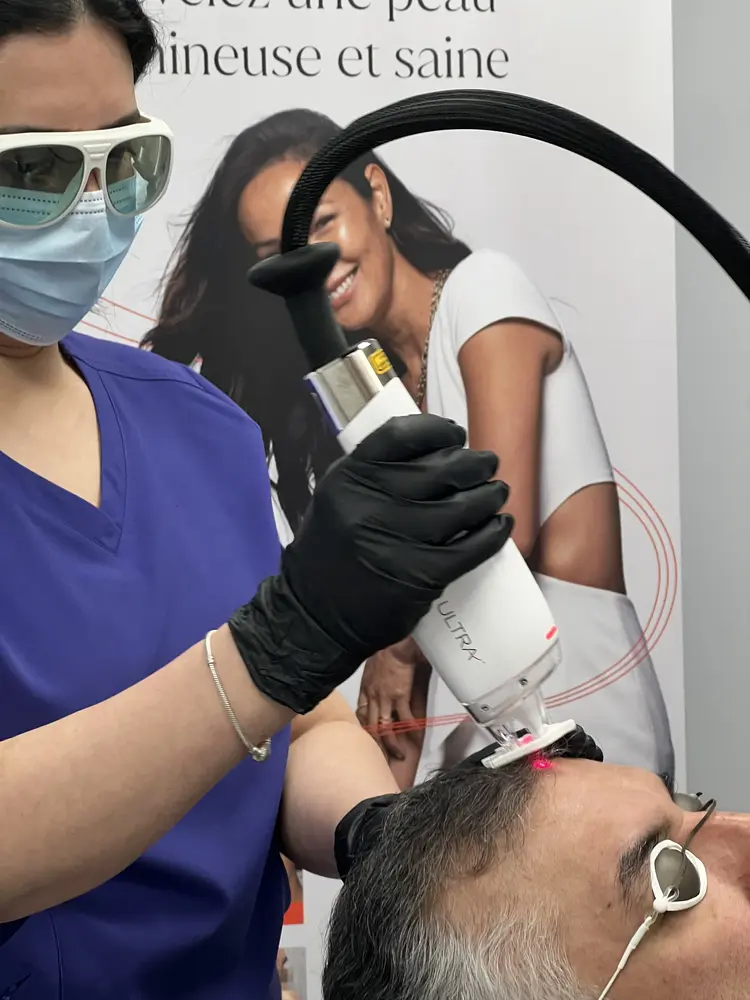
LaseMD Ultra Hair Regrowth with Exosomes is an advanced, non-invasive treatment designed to support healthier hair growth, improve the appearance of thinning hair, and revitalize the scalp.
The treatment combines the 1927 nm non-ablative fractional thulium laser technology of LaseMD Ultra with a professional exosome-based hair and scalp serum.
The laser creates thousands of microscopic thermal treatment zones in the scalp while leaving surrounding tissue largely intact. These controlled microchannels initiate a natural regenerative response and temporarily increase the skin’s permeability, providing an enhanced pathway for topical treatment products. Lutronic specifically describes LaseMD Ultra as creating tiny thermal zones and increasing skin permeability with minimal mechanical disruption.
The result is a two-part approach:
Laser stimulation + enhanced delivery of regenerative scalp serum.
How Does LaseMD Ultra Work for Hair Regrowth?
LaseMD Ultra uses a 1927 nm thulium laser to deliver fractional laser energy into the scalp.
Unlike ablative resurfacing lasers that remove the surface of the skin, LaseMD Ultra is non-ablative. It produces microscopic thermal zones while preserving much of the surrounding tissue.
When used for hair restoration, the treatment is intended to help in several ways.
1. Stimulates the Scalp’s Natural Repair Response
The controlled thermal stimulation produced by the laser activates the body’s wound-healing and regenerative processes.
This process may influence growth factors and signaling pathways involved in the environment surrounding the hair follicle.
2. Creates Temporary Microchannels
The laser produces microscopic treatment zones across the scalp.
These channels temporarily increase scalp permeability, making the technology particularly interesting for laser-assisted delivery of topical hair-growth formulations.
3. Enhances Delivery of the Exosome Serum
Immediately following the laser treatment, the professional exosome serum is applied to the treated scalp.
The freshly created microscopic channels provide an opportunity for enhanced topical delivery compared with simply applying a serum to intact skin.
This combination allows us to address the scalp through both fractional laser stimulation and regenerative topical therapy.
What Are Exosomes?
Exosomes are extremely small extracellular vesicles involved in communication between cells.
They contain and transport biological signaling molecules that can influence cellular activity. Because of this signaling role, exosome-based products are being investigated extensively in regenerative medicine, dermatology, skin rejuvenation and hair restoration.
In aesthetic hair treatments, professionally formulated exosome products are used with the goal of supporting the environment around weakened or miniaturized hair follicles.
Exosomes & Hair Follicles
Exosome-based hair formulations are being studied for their potential to support processes associated with:
Hair density and thickness
Early clinical research has reported improvements in these parameters with certain exosome-based protocols, although research remains limited and results cannot be generalized to every exosome product.
Anagen activity
The anagen phase is the active growth phase of the hair cycle. One area of current research is whether exosome signaling can help support pathways associated with this phase.
Scalp regeneration
Supporting a healthier environment around existing follicles.
Hair follicle signaling
Supporting communication within the follicular environment.
Benefits of LaseMD Ultra Hair Regrowth with Exosomes
The treatment may help:
- Support healthier-looking hair growth
- Improve the appearance of thinning areas
- Improve hair density and thickness
- Support weakened and miniaturized hair follicles
- Revitalize the scalp
- Stimulate the scalp’s natural regenerative response
- Enhance delivery of the professional exosome serum
- Improve the overall environment surrounding existing follicles
- Support stronger and healthier-looking hair
- Complement a comprehensive hair-restoration program
Because LaseMD Ultra is non-ablative, treatment typically involves significantly less downtime than aggressive ablative resurfacing procedures.
Pre-Treatment Instructions
- Arrive with a clean scalp and clean hair.
- Avoid applying heavy oils, styling products or scalp concealers on the treatment day.
- Avoid excessive sun exposure or sunburn to the scalp.
- Inform your provider of all medications and supplements.
- Tell us about any prescription or topical hair-loss treatments you use.
- Inform us of recent hair transplantation, PRP, injections or other scalp procedures.
- Do not undergo treatment over an actively irritated or infected scalp.
Clients using minoxidil or prescription hair-loss medications should follow the instructions of their prescribing healthcare professional regarding interruption or continuation.
Post-Treatment Care
Immediately after treatment, mild redness, warmth, sensitivity or a sunburn-like sensation may occur.
For the initial recovery period:
- Avoid scratching or rubbing the scalp.
Keep the scalp clean. - Avoid harsh scalp products and exfoliants.
- Avoid excessive heat and sweating.
- Avoid sauna, steam rooms, swimming pools and hot tubs until the scalp has settled.
- Avoid hair colouring, bleaching and chemical scalp treatments until the scalp has recovered.
- Protect areas of exposed scalp from excessive sun exposure.
- Use only recommended post-treatment products.
Contraindications
Treatment may not be appropriate for clients with:
- Active bacterial, viral or fungal scalp infection
- Open wounds in the treatment area
- Active inflammatory scalp disease
- Significant irritation or sunburn
- History of poor wound healing
- Certain photosensitizing medications
- Certain medical conditions affecting healing
- Known allergy or sensitivity to ingredients in the topical serum
- Recent scalp surgery or hair transplantation that has not completely healed
Pregnancy, breastfeeding, medications and significant medical conditions should be discussed during consultation before treatment.